By the age of eight, Johan Černá was no longer just a prodigy, he was also an anomaly. His intellect had surpassed even the brightest of his peers, leaving teachers in awe and making adults uneasy. Other children played with toys, became fascinated by simple puzzles, and were entertained by make-believe worlds. Johan did not play. Johan studied. He read books that no child should have been able to comprehend. Not fairy tales or adventure stories, but dense philosophical works, psychological theories, and history books filled with the darkest truths of mankind. He absorbed every word, every idea, every concept, committing them to memory with chilling ease. But Johan did not merely understand these ideas. He applied them. He tested them. And that was what set him apart.At first, his teachers saw him as a rare genius. He excelled in every subject, often reading ahead of the curriculum, sometimes challenging their explanations with insights so sharp they found themselves at a loss. But as the months passed, their admiration turned to discomfort. There was something off about the boy. Something they could not quite name. Perhaps it was the way he never showed excitement, never displayed frustration, or never reacted the way a child should. Or perhaps it was the way his classmates changed when he was around. It was subtle at first. The once energetic classroom grew quieter in his presence. Children who had once spoken freely now hesitated before answering a question, glancing at Johan as if seeking silent approval. Some, inexplicably, began avoiding their friends. They grew more reserved and more distant. And though Johan never raised his voice or issued direct orders, his influence spread. It was like a shadow creeping across the room, or a deadly disease.Johan had learned something fascinating. He did not need to tell people what to do. He only needed to suggest. A glance. A carefully chosen phrase. A question that burrowed into the mind and stayed there. The human mind was fragile, easily led astray by the right words whispered at the right moment. Johan had mastered the art of knowing exactly what to say.Among the many students at Johan’s school, there was one boy in particular who caught his attention. Thomas. A quiet, obedient child. Always following the rules, never questioning authority. Johan saw potential in him. Not because Thomas was special. But because Thomas was moldable. He was weak. And weakness, Johan knew, was a tool.One afternoon, as the school day ended, Johan and Thomas found themselves walking along the same path. Johan had never spoken much to him before. He had never needed to. But today, Johan decided to start. "Thomas,” he said, his voice as smooth as silk. Thomas glanced at him, surprised. "Yes?” Johan walked alongside him, his steps measured."Have you ever thought about fear?” Thomas frowned. "Fear?” Johan nodded, his blue eyes unreadable. "The strongest people in the world,” he said softly, “are the ones who understand fear.” Thomas hesitated. "I… I don’t understand.” Johan smiled. "That’s because you’ve never used it,” he whispered. Thomas swallowed, his steps slowing. Johan continued, his tone hypnotic. "Fear is the greatest weapon,” he said. "It makes people obedient. It makes them bend. It makes them break.” Thomas’s breathing grew uneven. Johan placed a hand on his shoulder, his grip light but firm. "If you learn how to control fear,” Johan murmured, “you will never be weak again.” And then he walked away. Leaving the thought to fester, and for Thomas to wonder. To question. To change.The next day, Thomas was not the same. His movements were different. They were almost mechanical, and noticably withdrawn. He spoke less. His laughter was gone. He no longer played with his friends. He no longer made eye contact with anyone except Johan. Johan watched, pleased. Thomas was falling deeper into his influence. And soon, others would follow.It started with Thomas. But it did not end with him. Other children, ones who had barely noticed Johan before, began to drift toward him. Not out of friendship. Out of something deeper. Something they could not name. It was not loyalty. It was not admiration. It was something closer to worship. Without realizing it, they began to seek his approval. To hesitate before making decisions, glancing at him as if asking for silent permission. To obey. Johan did not have to ask for their compliance. They gave it willingly. As if it were the most natural thing in the world.At first, the changes in the students were dismissed as coincidence. Children grew distant sometimes. Children changed. But as time passed, the teachers could not ignore it. The atmosphere in the school was different. A tension that had not been there before. Children were quieter. More hesitant. And at the center of it all was Johan. Always watching. Always smiling. A presence they could not shake.One evening, Johan sat alone in his room, staring out the window at the darkened streets below. The town, the school, the people. Everything was so small and fragile. And he had bent them without effort. Without force. Without lifting a single finger. His first real experiment was now in control. And already, he was winning. Already, the world was shaping itself around him. Johan smiled. Because he understood something now. Something profound. Something terrifying. The people around him were not people. They were pawns. And he? He was the one who was playing chess.
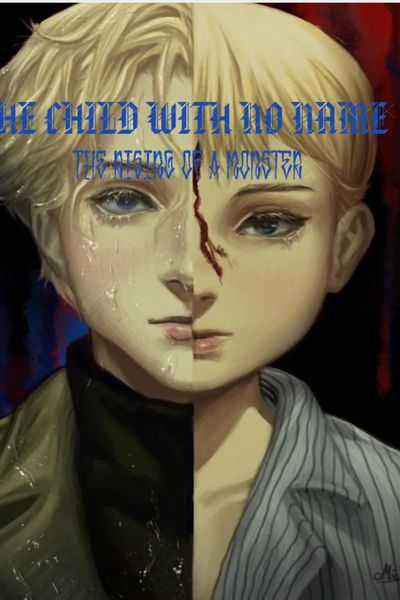
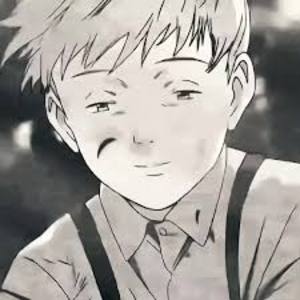
Johan is no ordinary child. He neither cries nor laughs, his gaze cold and unblinking, his presence a shadow that chills both children and adults alike. As he grows, his intellect reveals itself to be prodigious-and disturbingly precocious. His quick learning of much knowledge leaves his mother and the villagers unnerved by the depth and darkness of his understanding.
Comments (0)
See all