
It was morning, the sun shone warmly over the courtyard, and the flowers in the garden swayed gently with the breeze. Birds chirruped merrily, their songs floating in through the tall windows of Marlena’s chamber. The peaceful melody was abruptly cut short by the sharp crash of glass shattering against the marble floor.
Marlena stood in the center of the room, her chest rising and falling rapidly, eyes blazing with fury. A porcelain vase lay in pieces at her feet, its water seeping across the carpet. Pillows were hurled off the bed, the table overturned, and delicate trinkets that once adorned her shelves were now scattered like debris after a storm.
“Insufferable… ungrateful…” she muttered under her breath, pacing back and forth. Every thought of yesterday’s events gnawed at her pride, each memory tightening the coil of rage in her chest. She grabbed a silver tray and flung it across the room.The silver tray struck the wall with a sickening metallic thud, leaving a deep, jagged dent that mirrored the crack in Marlena’s composure.
The door creaked slightly—someone had dared to peek in. Marlena froze for a heartbeat, then hissed, “Get. Out.” The servant quickly withdrew, leaving her alone in the wreckage of what had once been a serene morning.
That girl was full of herself. Everyone was just praising her—how graceful she was, how poised, how “radiant” she looked. It was unbearable. Not a single word for Celene, not a glance spared for her. They all ignored us as if we were background decoration. Marlena’s fingers curled into the armrest of her chair as she replayed the image over and over in her mind—Serelith standing there, head slightly bowed, receiving praises as though she were some jewel newly discovered.
“What will happen to my Celene…” Marlena muttered under her breath, her voice tight, almost trembling.
Celene should have been in that place—standing under the chandelier, the center of the room, with gifts piling up at her feet and everyone’s voices full of admiration. Instead, Serelith had taken it all, without even trying. Even at the tea party yesterday, they all talked about how polite she was, how she would “surely turn into a fine lady.”
Marlena had to smile then—smile so wide her cheeks hurt—and say how proud she was of her. She had raised her glass and pretended to agree, while inside, the words were like acid. Proud? She was anything but. She was a fading star watching a new sun rise, and the heat of Serelith's light was beginning to burn her.
That night, she had stared at the ceiling for hours. The same thoughts ran through her mind, a loop that wouldn’t break.
For the next few days, Marlena made attempts. Subtle at first.
During etiquette lessons, she would casually point out Serelith’s mistakes.
“Your posture is slipping, dear,” she said sweetly one morning as they sat at the table. “It’s important to remember—back straight, shoulders down.”
Serelith adjusted, smiling faintly. “Like this?” she asked.
Before Marlena could reply, the governess—who had once been quick to scold—nodded approvingly. “Perfect, Lady Serelith. Well done.”
Perfect. The word stung.
Marlena’s lips curved in what she hoped passed for encouragement, but she could feel the tightness in her jaw.
Later, in front of the servants, she tried again.
“Oh, Serelith, you must be careful with the silverware; we wouldn’t want to confuse the salad fork with the dessert fork, would we?” she said in a voice pitched just loud enough for the maids to hear.
Serelith’s eyes flicked to the table setting. Without missing a beat, she picked up the correct fork and continued as though nothing had happened. One of the footmen smiled faintly. Marlena saw it. She saw all of it.
By the third day, it was undeniable—Serelith outshone her in every attempt to undermine her. Even the governess, who had been relentless before, now praised her openly.
“Lady Serelith is improving at a remarkable pace,” the woman said during an afternoon lesson. “She’s attentive, quick to learn. A true example for the others.”
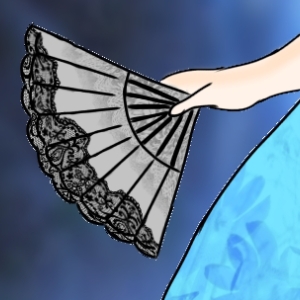
Celene sat on the other side of the table, arms folded, lips pursed. She had refused to practice her curtsy earlier and had thrown her fan on the floor when Marlena corrected her.
When the governess left, Celene immediately began to whine.
“I don’t like her,” she said, glaring at the door. “Why does she get all the praise? I’m your daughter. She’s not even—”
“Celene.” Marlena’s voice cut through the air like a blade. “You will not speak like that.”
“But it’s true!” Celene stomped her foot. “They don’t look at me anymore. Yesterday, Lord Everand didn’t even compliment my dress. He said Serelith looked ‘lovely as always.’ As always! She’s not always lovely. She—she just pretends to be.”
Marlena exhaled slowly, forcing herself to remain composed. “Then you must work harder,” she said finally. “You cannot let her surpass you.”
Celene’s eyes narrowed. “I don’t care. I don’t want to be like her.”
“You will care,” Marlena replied sharply. “If you want to stand where she stands, you will care. You will be better than her. Do you understand?”
Celene looked away. “Maybe I’ll just tell everyone she’s not perfect.”
“That will make you look petty,” Marlena said coldly. “And petty is not charming.”
The following afternoon, Marlena stood at the edge of the garden, watching Serelith and Celene practice walking with books balanced on their heads. The governess supervised, clapping occasionally when Serelith made a perfect turn.
“You have such natural grace, Lady Serelith,” the governess said. “I dare say, in all my years, I’ve rarely seen someone learn so swiftly.”
Marlena’s fingers tightened around her parasol. She could see Celene’s expression—lips pressed together, brows drawn low. The book on her head wobbled dangerously before falling to the grass.
“Ugh! I’m tired of this,” Celene snapped, tossing the book aside.
“Celene!” Marlena’s voice was ice.
“I don’t care,” Celene shot back, her eyes glistening with frustration. “It’s stupid.”
Serelith hesitated, glancing between them. “I can help her,” she offered gently.
The words only deepened the cut. Marlena smiled tightly. “No, that won’t be necessary,” she said, stepping forward. “Celene doesn’t need your help.”
That evening, at dinner, the conversation turned once again to Serelith.
“Did you hear,” one of the visiting ladies began, “how she handled herself at the embroidery circle? Such skill! And so polite.”
Marlena’s wine tasted bitter in her mouth. “Yes,” she said with practiced warmth. “We are quite proud of her progress.”
Celene stabbed at her food with unnecessary force. “I don’t see why everyone makes such a fuss,” she muttered under her breath.
“Celene,” Marlena warned.
Serelith, oblivious or perhaps deliberately ignoring the tension, continued to answer their questions with polite, measured words. Every smile she gave seemed calculated to please, every gesture effortless. It was infuriating.
Later, in the privacy of her room, Marlena paced the length of her chamber, her shadow stretching long and jagged like a claw across the marble floor.
"She thinks she is secure now," she murmured to the dark glass of the window. "But she forgets whose house this is. Whose rules she lives under."
Her reflection in the glass looked back at her, eyes cold and predatory. "Enjoy the light while you have it, Serelith," she whispered. "Because the sun is setting on your grandfather, and when he goes, I will bring the dark."










Comments (0)
See all