
No one knows who owns it, or how it moves.
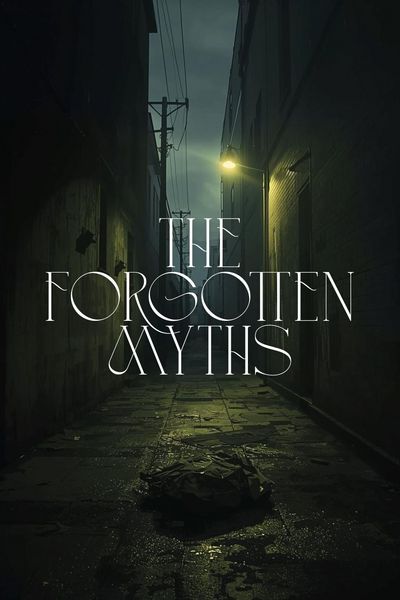
They say it appears only on Tuesdays—sometimes in a quiet alley near a train station, sometimes at the corner of a market that shouldn’t exist, sometimes on a pier long since condemned. It always looks the same: a narrow wooden kiosk with a faded green awning, its paint peeling in the shape of continents, and a handwritten sign that simply reads **TUESDAY EDITIONS**.
By morning, it’s gone.
The newspapers are always old—headlines from last week, last year, or decades past—but the magazines and books are not. Those are new. They’re printed on thick, grayish paper that smells faintly of salt and rain. The covers bear titles no one recognizes:
*The Map of Things That Haven’t Happened*,
*Winds from a Future Season*,
*How to Lose the Right Way*,
and sometimes, just a name—often the buyer’s own.
There’s no cashier. A small tin box sits on the counter, labeled *pay what you think it’s worth.* Coins and bills placed inside never make a sound.
People who’ve bought from the stand tell conflicting stories. Some say the books vanish after you finish them; others swear they rewrite themselves each time you open them again. A woman in Kyoto claimed she found a book titled *The One Chance You Missed* and, after reading it, received an unexpected inheritance the next day. A dockworker in Lisbon read *The Depth Beneath the Depth* and drowned in his bathtub that evening. A student in Chicago bought *The Answer Key* and passed every exam until he forgot his own handwriting.
All of them describe the same thing: while reading, they could feel the world leaning closer, as if the book were breathing in sync with them.
The earliest mention of the newsstand appears in a sailor’s log from 1921. He described finding a “traveling stall of impossible journals” on a wharf in Marseille. The vendor, he wrote, was “a man without reflection.” When the sailor tried to look at the man directly, his vision blurred, but the shape of the stall remained. He purchased a small pamphlet titled *The Port You Will Never Reach.* Three months later, his ship went missing near the Canary Islands. The pamphlet was found floating in a lifeboat, dry as bone.
Modern sightings follow the same pattern. It appears on a Tuesday, disappears by dawn. The books inside are always new, never reprinted, and never photographed clearly. Images blur, as if the ink refuses translation. Every government inquiry ends the same way—no vendor, no permit, no record.
Some believe the stand trades in luck itself. You open the book, and the universe makes a small decision about you. A coin toss dressed as literature. Others think it’s an experiment, a test run by something that wants to see what humans do when offered knowledge too personal to ignore. And a few, mostly sailors and long-haul truckers, insist it’s older than humanity—that it’s a remnant of a world that sold fates the way we sell stories.
I once met someone who claimed to have found it. He was a journalist, which made it worse. He said it appeared under the overpass near his office, glowing faintly under the sodium lamps. He bought a single booklet titled *Tuesday Will Be the Last One.* He laughed it off—until the next Tuesday, when a gas explosion leveled the building he worked in. He survived only because he’d called in sick. When I asked where the booklet was now, he said it burned up in his kitchen sink on its own, leaving behind the smell of wet paper and static.
Sometimes I check the corners of familiar streets on Tuesday mornings, out of habit. I tell myself it’s curiosity, not hope. But there are days when the air feels too still, and the shadows between the lampposts seem to fold differently, like pages turning without hands.
If you ever see a newsstand where none should be, with a green awning and books whose titles feel like they were waiting for you—don’t rush. Watch the paper move in the wind. If the headlines mention things that haven’t happened yet, step back. If one of the books bears your name, walk away.
But if you can’t resist—if you must know what your story looks like before it’s written—remember the rule whispered in every port where this legend lives:
Pay what you think it’s worth.
Read only once.
And when the page turns itself—
stop reading.









Comments (0)
See all