
There’s a place in northern Hokkaido that doesn’t appear on any maps. No road signs, no postal code—just a single, cracked road that leads into fog thick enough to muffle sound. Locals call it the town that forgets you back.
We were called in after three surveyors vanished while mapping the area for redevelopment. Their GPS logs showed they walked in circles for hours before disappearing entirely. Their last recording was just static—and one faint voice whispering, “Don’t leave yet.”
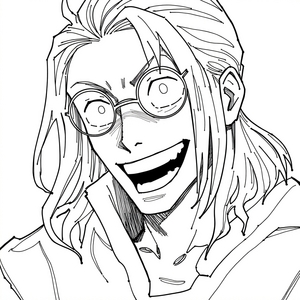
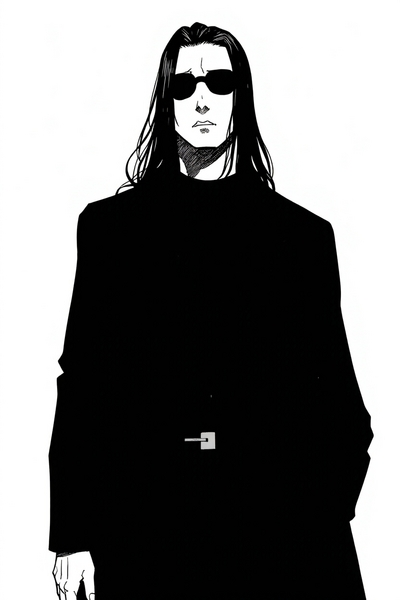
Morizumi was already uneasy when we arrived. Which, if you know him, is saying something. The man has stared down demons without blinking, but that morning, he stood on the edge of the fog, silent, listening.
“There’s no malice here,” he finally said. “Just… hunger.”
I laughed it off, because that’s what I do when things get unnerving. “Well, great. Maybe they’re just emotionally hungry. Like me after a breakup.”
He didn’t answer.
We stepped into the mist. The air shifted. Cold—thick—like walking through breath. After ten steps, the world behind us was gone. The road, the car, even the sound of the wind vanished. Only gray silence remained.
And then we saw the town.
It was… almost normal. Wooden houses leaning in like eavesdroppers, power lines dangling like dead veins, storefronts with hand-painted signs. Except the letters didn’t make sense. Words that weren’t words. Like language trying to imitate itself.
Morizumi stopped in front of an empty playground. The swings were moving—not randomly, but in rhythm, as if something invisible were gently pushing them.
“Do you feel that?” he asked.
I nodded. “Yeah. Like déjà vu on repeat.”
He didn’t respond. He was staring at one of the houses. The door was open, and inside, a shadow was standing perfectly still, facing the wall. Its outline was too exact, like a photograph printed on air.
“Stay here,” he said, and walked toward it.
Naturally, I followed anyway.
Inside, the house was empty. No furniture, no dust—nothing. The walls were clean, too clean. I realized why a second later: they were covered in faint handprints. Hundreds of them. Some large, some small, pressed so hard the wood had warped.
The shadow turned.
It had no face, no features—just the shape of a person looking right at us. Morizumi didn’t speak this time. He simply raised his hand, palm out, and the temperature dropped instantly. My breath froze midair. The shadow rippled, then broke apart like smoke in reverse—sucked inward toward some invisible center until nothing was left but silence.
Then the town sighed. Every window rattled at once, and the fog began to recede. Slowly, the houses faded—literally fading, dissolving like chalk in rain.
We were standing in an empty field when it was over. No town, no road, just grass and quiet.
When we got back to the car, I checked my recorder. The file was corrupted again, except for one second of audio. A voice, clear and calm, whispering:
“Thank you for remembering us.”
I didn’t tell Morizumi about that part. He already looked tired enough.
That night, as we drove away, I saw something in the rearview mirror—just for a moment. A playground swing, swaying gently, alone in the dark.







Comments (0)
See all