
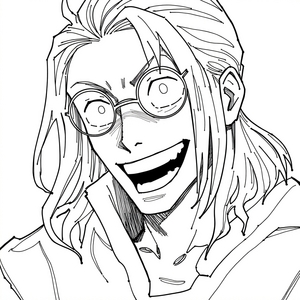
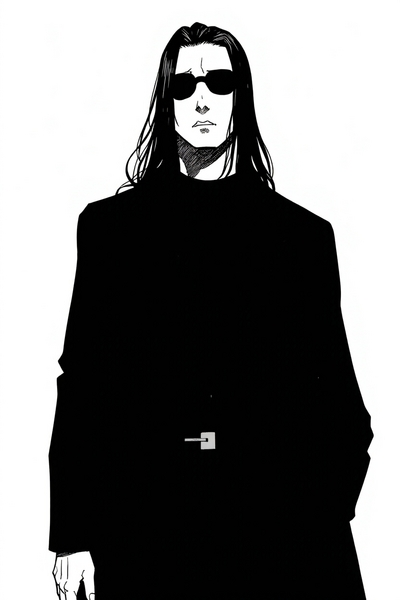
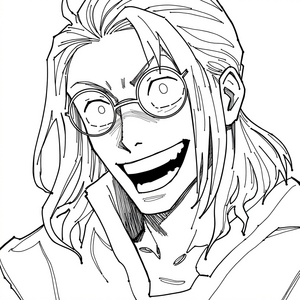
I’ve seen a lot of strange things with Morizumi Shimada. Ghosts that scream in dead languages, shadows that move like liquid, buildings that forget themselves. But nothing prepared me for the day I met the Camera Obscura.
It’s an antique device, supposedly developed in the 1700s by some eccentric alchemist-photographer. Morizumi keeps it locked in a wooden case carved with symbols that look like they were ripped out of an old grimoire. It doesn’t just take photographs—it captures images of spirits that exist on an invisible plane, ones your eyes can’t normally see.
Naturally, Morizumi brought it out while we were investigating a manor outside Prague. The place had been abandoned since the early 1900s, and locals reported glimpses of figures standing motionless in windows, but cameras never picked anything up. Morizumi set the device on the mantel, adjusted some brass knobs, and looked at me with that calm, unsettling expression.
“Do you want to see them?” he asked.
I wanted to say no. I didn’t.
The first photograph came out on thick, yellowed paper. At first, it looked like a smudge. Then, slowly, shapes emerged—tall figures, hunched, faces blurred, moving as if caught in mid-struggle. My stomach churned.
“That’s… terrifying,” I whispered.
Morizumi didn’t flinch. He held up another photograph. In this one, the figures were closer. Faces more distinct. Some of them staring directly at the camera—or at us.
“That’s why it’s dangerous,” he said quietly. “Once they’ve been seen…”
“Seen?”
“They know you exist.”
I laughed nervously. “So… you mean, like, now they’re… aware?”
Morizumi’s eyes darkened. “Aware. And curious. Predatory, if we aren’t careful.”
That night, I didn’t sleep. Every shadow in the manor seemed thicker, every gust of wind against the broken windows sharper. Doors creaked, floorboards groaned, and I swore I could hear someone—or something—breathing just behind me.
Morizumi stayed calm, sipping tea in the parlor. “They’ll test you first,” he said. “See if you’re afraid.”
I realized too late that fear wasn’t optional. The figures in the photographs began appearing in the periphery of my vision—dissolving into the darkness, then reappearing closer, closer, until I had to stop moving to avoid being noticed.
Morizumi finally picked up the Camera Obscura again and muttered a quiet incantation. The device vibrated, brass knobs spinning on their own, and the images on the paper began to fade. Slowly, the sensation of being watched lifted—but not entirely.
“They remember now,” Morizumi said, setting the camera back in its case. “You’ve been seen. Always. And so have I.”
I tried to laugh, but my throat was dry. The manor was silent, but I could feel eyes everywhere—eyes that had only just learned I existed. And I realized that, with this camera, Morizumi didn’t just see the dead. He played with them.
And the dead, as I learned that night, don’t take kindly to being watched.






Comments (0)
See all