
Jack Turner woke to the sound of wind pressing against the cabin walls. It came in long low waves, like the ocean rolling beneath the snow. He sat up, pulled on his coat, and stepped outside. The morning was half dark. The horizon glowed with thin orange light, and the air cut sharp against his face. The world was so still it felt untouched. His breath rose like smoke, the only movement in sight. For a while, he stood there listening to nothing but the slow rhythm of the wind and the creak of the wooden porch. It felt like the kind of silence that carried memory inside it.
Maya came out a few minutes later, hair tucked under her hat, holding two mugs of coffee. “You’re up early,” she said.
“Old habits,” he said. “Firemen don’t sleep late.”
She handed him one mug and smiled. “You miss it, don’t you?”
“Every day,” he said. “Even the bad parts.”
She leaned on the railing beside him, sipping slowly. “What was the worst part?”
Jack thought for a while. “Not the danger. You learn to live with that. It was after the job was done—the quiet when the fire’s gone and you realize someone lost everything. You pack up and leave, but the smoke stays with you.”
Maya nodded, her breath fogging the air. “And the best part?”
“Seeing people safe,” he said. “Watching light hit a building that should’ve burned down and knowing you stopped it. That’s the kind of fire you keep inside.”
She looked up at him. “You talk like you still do it.”
He smiled. “Maybe I still do, just in smaller ways.”
They finished their coffee and packed the truck. The road ahead curved deeper into the mountains. The snow was bright, almost blinding under the early sun. Ice crystals floated through the air like glitter when the wind shifted. They drove with the windows cracked just enough to let in the smell of pine. The silence between them was easy now.
By midmorning, they reached a narrow pass where the cliffs rose high on both sides. The road wound like a thread between walls of ice. A small convoy of trucks approached from the opposite direction, carrying supplies south. Jack slowed to let them pass. The drivers waved as they rolled by, headlights flashing in brief bursts. After the last one disappeared, the road felt huge again, a white corridor leading nowhere.
Maya pulled out her camera and took a few photos through the window. “I don’t think anyone back home will believe this,” she said.
“They don’t have to,” Jack said. “Some things you just carry with you.”
A few miles later, they saw smoke rising from the side of the highway. Jack frowned and slowed. “That’s not chimney smoke,” he said. The wind carried the smell of burning rubber. They rounded a bend and saw a pickup truck half buried in snow, flames curling from its front end. A man stood nearby waving his arms, coughing through the smoke.
Jack pulled over fast. “Stay in the truck,” he said to Maya. She started to argue, but the look on his face stopped her.
He ran toward the fire, boots sinking deep with every step. The heat hit him hard even in the freezing air. The man was shouting, voice hoarse. “I tried to put it out! The engine just—just caught!”
Jack scanned the scene. The flames were low but spreading toward the back. He saw a red plastic can half melted in the snow—gasoline. He cursed under his breath, then shouted, “Get back!”
He grabbed the snow shovel from the man’s tailgate and started throwing snow over the hood. The smoke turned thick and black. The fire hissed, sputtered, but kept fighting. Jack’s lungs burned, his hands numb from cold and heat at once. He kept at it until the flames finally gave a long sigh and went out, leaving a curl of white steam.
The man stood shaking, eyes wide. “You—how—why would you—”
Jack leaned on the shovel, catching his breath. “Because it’s what I do.”
Maya ran up, snow sticking to her boots. “Are you okay?” she asked.
He nodded, wiping his face with his sleeve. “Just smoke. It’s fine.”
The man looked between them, still stunned. “You saved my truck,” he said quietly.
Jack shook his head. “You’ll need a tow, not thanks.”
They waited with the man until another driver came by with a radio and called for help. When everything was under control, Jack and Maya climbed back into their truck. For a while neither spoke. The smell of burnt fuel still clung to his coat.
Finally Maya said, “You couldn’t help yourself, could you?”
Jack laughed softly. “No. Guess some fires never retire.”
She smiled. “That was brave.”
“It was reflex,” he said. “Bravery’s what you think about afterward.”
They drove again, the road climbing higher through the mountains. The air grew colder, sharper. The world outside felt bigger than ever. Maya looked at him from the corner of her eye. “You ever wonder if this trip is less about chasing the lights and more about finding who you used to be?”
He didn’t answer right away. The tires hummed on the ice. “Maybe,” he said at last. “But maybe it’s also about finding what’s left after that.”
She nodded slowly. “I think we’re both doing that.”
As the sun set behind the peaks, the sky flared pink and gold. The snow caught the colors and threw them back in soft reflection. They stopped at the top of the ridge, stepping out to watch the light fade. The cold wrapped around them, but neither moved. The world below was wide and endless, glowing faintly as night returned.
Jack reached into his pocket and felt the coin again—the one from the hunter back in Pine Ridge. He turned it over in his palm, the metal warm from his skin. “Still carrying it,” he said quietly.
Maya looked up. “What’s that?”
“Something borrowed from someone who believed in second chances.”
She smiled. “You’re full of those, aren’t you?”
“Trying to be,” he said.
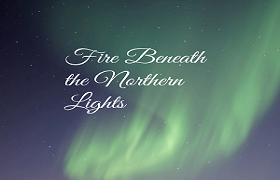
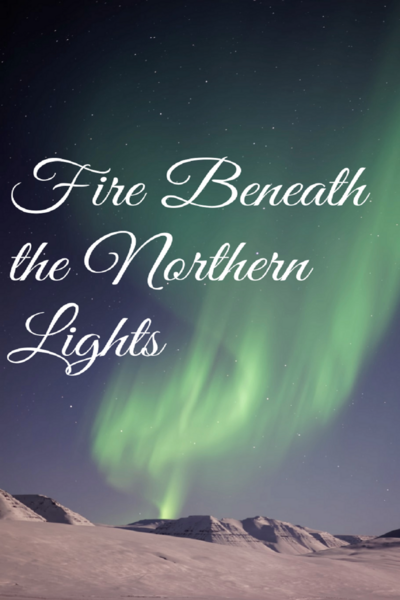
As darkness settled, the first traces of green began to appear above them. The lights stretched wide, shifting across the sky like smoke from a slow fire. Jack and Maya stood side by side, breath rising into the cold air.
For the first time, he didn’t feel like the man who had left something behind. He felt like the man who had finally caught up with it.




Comments (0)
See all