
Somewhere below, I heard a sharp intake of breath. It wasn’t the ringmaster—his breathing was heavier, darker. No, this one came from further back. Familiar. Warm. One of the twins, maybe both. I could almost feel their heat from here, the faint ripple of fire magic they never managed to hide completely. The air thickened as if their flames were stirring just beneath the surface.
I smiled—soft, unintentional, but real.
The next drop came fast. My body plummeted, silks burning through my fingers as I fell. The air roared around me, cool and wild, until the fabric caught me again, snapping tight at my hips. My breath left me in a rush. I heard the audience erupt—cheers, applause, the echo of awe that trembled through the canvas of the tent itself.
Still, I didn’t stop. I let my body flow from one movement to the next—twisting, arching, climbing again. I could feel every bead of sweat that slid down my skin, every strain of muscle as I pushed myself higher. The silks tightened and released in rhythm with my pulse. The heat of the tent pressed close around me, mixing with the faint scent of ash still clinging from the Phoenix twins’ act before mine.
The air grew warmer the higher I went. I could almost imagine the colors around me—the reds and golds the audience always gasped over, the way the light played off my skin and fabric, making me look like I was burning without flame.
At the peak of my climb, I stopped. My arms trembled from the effort, but I held my position. I could hear nothing now—no whispers, no movement—just my own heartbeat and the faint flutter of silk.
Then, slowly, I let myself fall again.
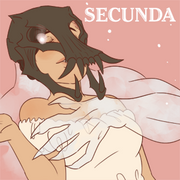
This time, I didn’t stop halfway. I let the silks unfurl completely, the motion liquid and endless. My body flowed through space, every motion an unspoken language of pain and beauty. The silks caught me again, wrapping around my chest and legs just before I touched the ground. The fabric sighed as I came to a stop, hanging upside down, one hand reaching toward the earth that always waited but never caught me.
Silence filled the tent. A heavy, trembling silence that felt like electricity. Then, one person began to clap—slowly and deliberately. Another joined. Then another. The sound grew, swelling until it thundered through the air, echoing off the canvas walls.
I hung there, suspended between the ceiling and the ground, between the world of the freaks and the illusion of beauty the ringmaster sold. For a heartbeat, I let myself believe that this—this moment—was mine.
Then I released the silk, flipped gracefully, and landed softly on my feet. My knees bent, my breath came hard and fast, and my heart was still pounding.
The cheers rose to a fever pitch. I couldn’t see their faces, but I could feel their hunger—their awe, their desire—like heat radiating from an open flame. Their applause rolled through the tent in waves that crashed against my skin, leaving shivers in their wake.
When the noise began to fade, the ringmaster’s voice sliced through the air like a whip—smooth, commanding, sharp enough to draw blood. Every sound bent toward him; every heartbeat seemed to pause. That was my cue.
I slipped quietly to the side, out of view, my body still trembling from the performance. The silks brushed softly against my legs, their fibers still warm from the friction of my dance. I found my stool by memory, the one hidden behind the stage curtains—a place I knew like my own pulse. It was my waiting place.
He liked me to wait. He liked the control of it—the silence before he arrived, the fear he could taste in the air. He always came after the show, always to tell me what I’d done wrong, no matter how perfect my movements had been.
A shiver crept up my spine before I heard a sound. The air thickened, colder, heavier—scented faintly with candle smoke and the dry musk of old parchment. Prophet. That feeling always came with her, the strange pressure that stole the warmth from a room.
The faint rustle of her cloak followed her like a whispering tide, the fabric brushing the ground in a sound I knew too well—silk over sand. She sat beside me, and even without sight, I could feel the dense presence of her, layers of cloth wrapped around her body like secrets.
“Little Nix,” she murmured, her voice a low hum, soft and sinuous, curling around my name. “It has been so long.”
“Yes,” I said evenly. “It has.”
“And yet you sound disappointed.” There was a smile in her tone, one I could hear but not see. “How cruel. I thought perhaps you’d be happy to hear my voice again.”
“What are you doing here, Prophet?” I asked carefully.
“Star sent me,” she purred, her words unfurling slow as smoke. “Said the blind bird still circles the cage she built—wings clipped, but dreaming of sky. Thought maybe the wind could whisper her down.”
“An old friend?” I repeated, dry.
She laughed—a broken, lovely sound, like crystal cracking. “Old? No, no. Time doesn’t age in the dark; it just hums. Friends? Mmm… you drank from my cup once and spat out the truth. That’s closer than friendship, isn’t it?”
“You’re still impossible.”
“Impossible?” she echoed, her tone sweet and dangerous. “Oh, my dear Nix, I’m the coin that never lands. You asked once which side would save you—I flipped it, and the air swallowed it whole.”
The muscles in my neck tightened. “It’s because of your prophecy that I can’t join her cause. Or did you forget your own words?”
“Forget?” Prophet’s laugh crackled like dry leaves. “No, no, the river remembers every drop, even the ones that drown. My words still crawl beneath your skin—don’t they? They wriggle when you lie.”
I frowned, irritation prickling beneath my ribs. “Meaning?”
“Meaning,” she whispered, voice sharpening into something that felt almost alive, “when the puppeteer forgets his strings, the dolls start to dream. When fire learns to whisper, silk remembers how to burn. Come to me when the spotlight dies, little moth. The stars coughed up new bones tonight—I’ll see which belongs to you.”
Before I could speak, she was gone. The rustle of her cloak faded into the distance, leaving behind the scent of ash and storm rain.
For a heartbeat, I considered following her—anything to delay what came next. But then I heard him.
The ringmaster’s footsteps were unmistakable: measured, heavy, each one deliberate as a countdown.
I bowed my head when he stopped before me, stilling every movement.
“Tilt your head back, Nix,” he said, smooth as oil.
I obeyed. Cold drops struck my eyes, stinging, burning until tears welled on instinct. I blinked rapidly, the pain sharp but familiar.
“Ringmaster?” I whispered.
“Just your weekly drops,” he said, voice threaded with false concern.
His hand settled on the small of my back, warm and controlling.
“You did beautifully tonight,” he said, the practiced charm in his voice almost convincing. “And while I’d love to let you rest, we have guests who wish to meet our shining performer.”
The air shifted again—denser, perfumed, electric with money and curiosity. I heard the clink of champagne flutes, the inaudible murmur of conversation, the faint drag of expensive fabric as people moved. Perfume—powdery and floral—mixed with the tang of cigar smoke, and the faint sweetness of wine-soaked fruit drifted past.
The ringmaster’s hand remained firm at my spine, his touch possessive beneath the guise of guidance. His thumb traced slow circles through the thin silk of my costume, each movement a silent reminder of who controlled the stage, the act, me.
My senses drank in everything around me—the rustle of gowns brushing sawdust, the flick of a lighter somewhere near, the faint hum of a violin tuning in the distance. I could even hear the way people smiled: shallow, brittle, dripping with politeness.
But my mind wasn’t on them. It spun ahead, chasing the reason for his sudden warmth. He was never kind without a cause. Every compliment, every gesture, every soft-spoken word was strategy—a move in a game he always intended to win.
And when it came to me, there were only two people who ever made him play nice.
My parents.
Even thinking the word felt like swallowing glass.
To him, they weren’t family. They were investors, patrons of his cruel little empire. He called them benefactors when he wanted to sound gracious, clients when he wanted to sound busy. Whatever the title, the meaning was the same: I was his prize trick, his perfect illusion—and they were the ones who paid to keep the illusion alive.
Even the air seemed to shift when they were involved—richer, heavier. The familiar scents of sweat and sawdust gave way to perfume and champagne. This was no longer the world of performers and cages and ropes. This was theirs.
A world gilded in lies, polished in cruelty, and built on the quiet suffering of those like me.
And I was about to be paraded before them—just another part of the show.







Comments (0)
See all