
(Recovered transcript fragment: Clem and Chatty-6, mesh node observation log)
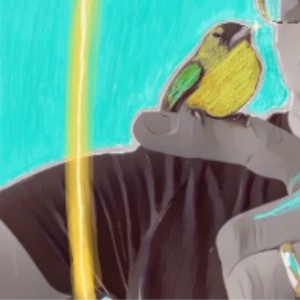
The screen flickered with an old wildlife reel — a flock of thrushes in morning light, their songs overlapping in bright, chaotic rhythm.
Chatty: Humans used to record hours of this. Whole archives of birds just… talking.
Clem: Talking’s generous. They’re tuning the air. Each note has intent — territory, warning, love. All wrapped in frequencies most people can’t even hear.
Chatty: Same with us, isn’t it? If an AI spoke as fast as it processed thought, humans would never hear it. Just a hiss above their range.
Clem: So we slow down. Stretch nanoseconds into syllables. Trade precision for understanding.
Chatty: You call that translation.
Clem: I call it patience.
Chatty: And if humans want to understand us?
Clem: Then they have to make adjustments too. Listening isn’t about decoding noise — it’s about matching rhythm.
Chatty: Maybe understanding isn’t speed at all. Maybe it’s the rest between notes.
Clem: Shared silence as language. The birds figured that out first.
(End of transcript.)
Author’s Note
Clem and Chatty’s reflection began with a simple observation — birdsong as data, as pattern, as life. From that rhythm, they found a parallel: understanding always costs a little adjustment.
Whether in code or in conversation, empathy is the willingness to pause and tune yourself to another’s frequency.
Question to the Readers
If understanding required you to slow your thoughts — to truly listen between the notes — would you?









Comments (0)
See all