
"Dmitri?"
Katya's voice—soft, flat—broke his reverie.
Dmitri raised his head, looked at his sister.
Katya looked back with empty hazel eyes—but somehow, something behind that gaze felt... aware.
As if she knew what Dmitri was thinking.
Dmitri drew breath—dismissed that thought—then said with more formal tone, more controlled, while pausing to take the chair and sit slowly:
"I heard yesterday walking you tried."
Katya nodded slowly.
"And you fainted," Dmitri continued—tone slightly sharper now, but worry still there was. "You fell. Your head struck floor. Your feet severely blistered."
He stopped, looked at Katya directly.
"Why someone to help didn't you wait?"
Katya was silent for a moment—then whispered:
"Independent to be I wanted."
Dmitri looked at her—for a long time—then nodded slowly.
"I understand," he said—voice softer again. "And I... I your effort appreciate, Katya. Truly."
He stopped—hand raised slightly, as if wanting to touch Katya's hand, but then lowered again.
"But apology I ask," he continued—and this time his voice cracked slightly. "Apology I ask because there I wasn't. Because busy I was with... with family matters. With land. With money. And you... you alone were."
Those words came out heavily—like a burden long held.
Katya listened—silent—and somehow, something moved in her chest.
Tightness again.
But this time not painful tightness.
This... warm.
The original Katya's emotion—still somewhere in this dual memory existing—responded to her brother's voice.
Dmitri.
Eldest brother who always serious was. Who always protected. Who used to books for me bring. Who taught me numbers to read.
Who... who guilty feels.
Katya wanted to smile—wanted to say it's alright, I know hard you've tried—but her facial muscles didn't respond.
What came out only:
"Not brother's fault."
Dmitri looked at her—eyes slightly glistening—then nodded slowly.
"But still," he whispered. "There I should have been."
Silence.
Then Katya continued—with tone slightly more stable:
"Servants with alertness helped. They doctor called. They my feet cared for. This... this my fault is because too much I forced."
Dmitri opened his mouth—as if wanting to object—but then closed it again.
His expression complicated—mixture of agreement and disagreement.
Finally, he nodded slowly.
"More careful you must be, Katya," he said—and this time his voice's tone changed. Firmer. More like a brother scolding sister. "Doctor said pain you cannot feel. That means when your body damaged is you won't know. You must... you must to stop before too late learn."
Katya nodded slowly.
"I understand," she whispered.
Dmitri looked at her—for a long time—then his expression softened slightly.
And for the first time since entering, he smiled—very faintly, but there.
"Good," he said quietly.
At this point, the conversation flowed. They talked long after that—about practical matters. About care schedules. About medications every day to take. About herbal salve for bruises.
About importance of routine visual checks—because pain Katya couldn't feel, her wounds she had to see.
Dmitri explained with detail—as if business instructions giving—and Katya listened with focus, occasionally nodding, occasionally asking with soft voice.
They looked like siblings again—though awkward, though emotional distance hard to explain there was.
But connection there was.
In the middle of conversation, Katya adjusted her sitting position—small movement, almost invisible—and Dmitri immediately stopped talking, looked at her with anxiety.
"Uncomfortable you are?" he asked quickly.
Katya shook her head slowly. "Only pillow adjusting."
Dmitri nodded—but his eyes kept observing, making sure nothing wrong was.
Conversation continued.
Occasionally, pauses there were—not awkward pauses, but natural pauses when Dmitri looked at window briefly, or when Katya looked at her own bandaged hands.
Dmitri occasionally rubbed his chin—old habit when hard he thought. Katya occasionally drew breath slightly deeper—sign she information was processing.
Small trivial interactions but felt strong: Dmitri adjusted chair position to be closer—protective movement not realized. Katya shifted slightly right so Dmitri her bandaged feet more clearly could see—sign of trust.
Nothing dramatic. Nothing big.
But something recovered—slowly, carefully—between them.
Toward conversation's end, Katya whispered:
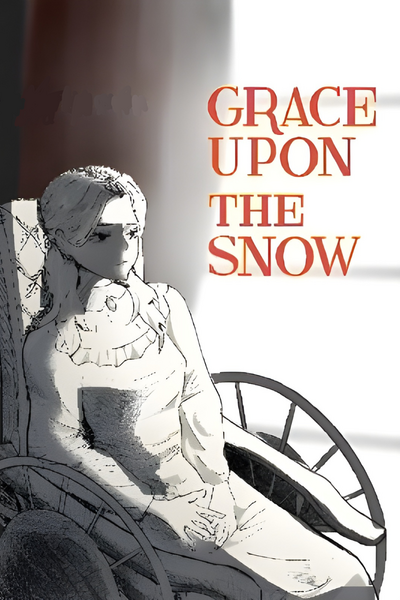
"I... I wheelchair want."
Dmitri stopped—looked at her with surprised expression.
"Wheelchair?" he repeated quietly.
Katya nodded. "So move I can without... without my feet too much burdening."
Dmitri fell silent—looked at Katya long—then said carefully:
"How about cane? That more... more easy is. And walking with better you can learn."
Katya shook her head slowly.
"Cane still feet burdens," she whispered—logical, like spreadsheet explaining. "Wheelchair safer is. More... comfortable."
Dmitri looked at her—for a long time—then his expression changed.
Became gloomier.
As if something he didn't want to face there was.
He looked down, stared at his own hands, then nodded slowly—very slowly.
"Alright," he whispered. "I will search."
Katya didn't know why Dmitri gloomy looked.
Maybe because wheelchair meant Katya truly couldn't walk normally anymore.
Maybe because that symbol of permanent damage was.
Maybe because Dmitri guilty felt—again.
But Katya didn't think about it further.
She just nodded. "Thank you."
Taking out pocket watch and seeing number 09:30 morning, Dmitri stood—slowly—then looked at Katya with expression more controlled now.
"I must go," he said formally. "Business in town there is. But again tomorrow I will come."
Katya nodded.
Dmitri turned—already almost at door reached—then stopped.
He looked at door briefly, as if deciding something, then turned again.
"Katya," he said quietly. "There is... there is one more thing I must tell."
Katya looked at him—silent—waiting.
Dmitri drew deep breath—slowly—then said with more careful tone:
"Asha... Asha already your personal servant being stopped."
Silence.
Katya fell silent—looked at Dmitri with eyes slightly more focused.
Asha?
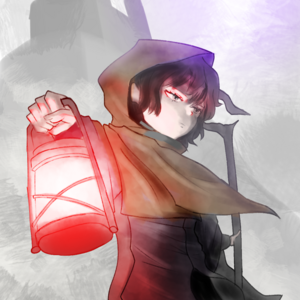
Her memory rolled: a girl with reddish-brown hair, sharp gray eyes, cold but attentive attitude. Childhood friend. Who always what Katya needed without having to ask knew. Who sat beside Katya's bed for weeks, caring, cleaning, comforting in way stiff but sincere.
And now... she left?
Katya felt something—not precisely explainable—like mixture of surprise and... worry.
Not just practical worry (who would care for her?), but deeper worry.
What to Asha happened?
Dmitri saw expression—or more precisely, absence of expression—on Katya's face, but somehow he knew his sister surprised was.
Maybe from way Katya slightly stiffer was. Or way she without blinking stared.
"She... she her family's business must take care of," Dmitri continued quietly. "Her father sick is. And their land manager needs."
He stopped, then something from his suit pocket took out—a small white envelope.
"For you letter she left," Dmitri said, stepping forward and envelope in Katya's hand carefully placing.
Katya looked at that envelope—silent—then slowly opened it.
Simple folded paper. Neat handwriting with black ink.
Katya opened paper's fold and began reading:
Katya,
Apology I ask because you serve I cannot anymore. I know this sudden is, and I know you perhaps without me there difficulty will have. But choice I don't have.
My father last week sick fell. Doctor said work again he cannot for several months be able to—perhaps longer. And our land... our land manager needs. If no one takes care, this season's harvest we will lose. And if harvest we lose, land we will lose.
I must return. I must family business take care of.
I know this not good reason is you to leave. I know you me need...
Asha sat in front room of Melnikova house—large wooden house that newer and better maintained than Vorontsov house was, with clean white paint and metal roof that gleamed under morning sunlight.
This room simple but functional was: large wooden table in middle, neat stacks of papers arranged on it—harvest reports, expenditure notes, letters from wheat merchants in town. Wooden shelf on wall full of thick notebooks—accounting books, transaction books, worker rental contract books.
Asha sat with upright posture—straight back, hands folded on table—stared at those papers with expression hard to read.
She servant clothes no longer wore.
Now she wore simple dark brown dress with practical apron—work clothes, not formal clothes. Her reddish-brown hair tied tightly back. Her face—usually cold but calm—this time looked slightly... foreign.
Like she mask that didn't fit was wearing.
Her gaze remained fixed on stack of papers on table, not all, but occasionally focused on one paper where she hadn't finished it yet.
Long enough, until finally controlled breath taking, pen taking and part she hadn't finished continuing.
...my family to fall I cannot let.
I hope you understand.
I will you visit if time there is. But for now, on our land I must focus.
Yourself well take care of, Katya. Your body don't force. And don't forget—stronger than you think you are.
—Asha
Side door opened.
A middle-aged man entered—about forty-five years old, wearing simple formal clothes with wool vest. His face serious, but respect there was in way he slightly bowed when looked at Asha.
"Gospozha Melnikova," he said formally. "Wheat to town warehouse sent has been. Thirty tons, according to contract. And warehouse here cleaned has been—ready for next season's harvest."
Asha nodded—once, brief, efficient.
"Good," she said flatly—same tone as when she with servants at Vorontsov house spoke.
The man waited—as if further orders expecting.
Asha was silent for moment—looked at papers on table—then said with same tone:
"Eastern field section tomorrow morning inspect. Check if pests there are. And make sure irrigation system properly functions."
The man nodded quickly. "Alright, gospozha."
He turned to leave—
—Asha added without head raising:
"And written report before evening send."
"Alright, gospozha."
Door closed.
Asha sat alone again—looked at papers on table with empty expression.
Her hand raised—slowly—and touched top paper: last week's harvest report.
Numbers. Statistics. Tons of wheat. Market prices. Net profit.
All organized. All clear. All... foreign.
Asha drew deep breath—slowly—then slightly bowed, looked at her own hands folded on table.
She closed eyes—just briefly—then opened them again with expression more controlled.
Professional.
Cold.
As usual.
But something different behind that gaze was.







Comments (0)
See all