
In Canada most of us get many services from the government that help us a lot in life. Public education and universal healthcare are lifesavers that everyone relies on to live healthy, happy, well-functioning lives. We also have access to many services that help us when we are struggling. Things like childcare, financial aid, social housing, job training, employment insurance, help buying medicine, and more help us when we're in financial trouble, a thing that can happen to anyone. These services are usually funded by the provinces and territories, and are available to people who don't live on reserves (special land set aside for First Nations people). (All land should belong to the land but that's beside the point.)
Now, it is definitely true that the services available to people off reserve are very inadequate, and a lot of people end up trapped in poverty even with these services. However, a lot of people are lucky enough to be able to overcome poverty with the help and the support they get.
On reserves, however, services are paid for by the federal government. And the funding is terrible. The structures and organization of the government departments involved in on reserve service provision is terrible. And this leads to there being not nearly as many services for people on reserves as there are for people off reserve. And the services that do exist are of much worse quality. For example, there aren't enough evidence-based, culturally appropriate addiction treatment programs. This service inequality is part of what is leading to widespread poverty on reserves.
In addition to being badly funded, services are hard to navigate, and the process to get the services you need is burdensome and confusing. This leads to many people not being able to access services even if those services exist. For example, oftentimes people need to go to many different places and programs to get one single need met. This leads to even more people not having their needs met.
Getting services for children or families with complex needs is even harder. There are many conditions and disabilities that can lead to having needs in a variety of different areas. For example, a child with autism might struggle in school, and need help for that. They might also be nonverbal, and need communicative devices to help them advocate for themselves. They might also be facing emotional struggles due to the reality of being a disabled person in a world that is not suitable for disabled people, and might need some mental health therapy for that. It would be difficult to get services for all of these things if the services weren't integrated and coordinated together. And, especially on reserves, the services aren't integrated and coordinated together. Things like childhood trauma also affect many parts of life and health, and the system is creating more and more traumatized children.
A lot of services have rigid inclusion requirements that leave many people out, despite the fact that those people need the services. For example, to get help and therapy for people with disabilities or mental illnesses, you usually need an official diagnosis. Diagnoses are unavailable for many families due to lack of access to diagnostic services. Even when diagnostic services exist, they are confusing and difficult to navigate and access, and impossibly overburdening to have access to for most families.
Services that do exist often don't account for and work with each person, child, and family's unique circumstances. These circumstances include work hours, ability to get transportation, multiple other needs that make it so you can't access a service, and many other things. If you need to access a doctor's appointment, but it conflicts with your work schedule, or you don't have transportation to get to it, or you have children and no one to take care of them while you're gone, you can't access that doctor's appointment.
Children with unmet needs often end up in foster care, which is a human rights abuse and a source of trauma. Their families love them and want to take care of them but can't due to not being able to access services. This causes lifelong trauma for the children and their families. Living in poverty with unmet needs and a lack of good healthcare and education also causes lifelong trauma. People who don't have their needs met, and don't have their family's needs met, sometimes have to resort to crime out of desperation and due to not seeing any other option. They can get arrested due to that. This also causes lifelong trauma for them and their loved ones. Giving people the services they need prevents homelessness, addiction, and many other problems.
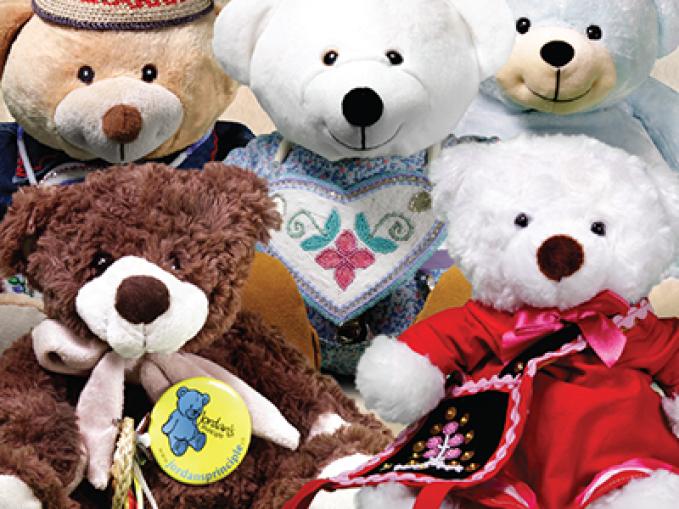
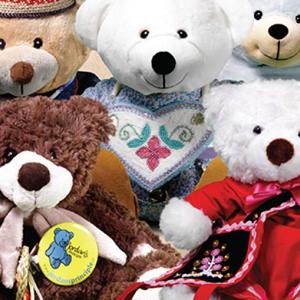
The Canadian government is doing nothing to change, improve, or increase services on reserves. The Spirit Bear Plan aims to improve services on reserves so that the needs of the people can be met. The Canadian government needs to implement the Spirit Bear Plan and to follow it. The Plan is as follows:
"Spirit Bear calls on:
CANADA to immediately comply with all rulings by the Canadian Human Rights Tribunal ordering it to immediately cease its discriminatory funding of First Nations child and family services. The order further requires Canada to fully and properly implement Jordan's Principle (www.jordansprinciple.ca).
PARLIAMENT to ask the Parliamentary Budget Officer to publicly cost out the shortfalls in all federally funded public services provided to First Nations children, youth and families (education, health, water, child welfare, etc.) and propose solutions to fix it.
GOVERNMENT to consult with First Nations to co-create a holistic Spirit Bear Plan to end all of the inequalities (with dates and confirmed investments) in a short period of time sensitive to children's best interests, development and distinct community needs.
GOVERNMENT DEPARTMENTS providing services to First Nations children and families to undergo a thorough and independent 360° evaluation to identify any ongoing discriminatory ideologies, policies or practices and address them. These evaluations must be publicly available.
ALL PUBLIC SERVANTS including those at a senior level, to receive mandatory training to identify and address government ideology, policies and practices that fetter the implementation of the Truth and Reconciliation Commission's Calls to Action." (First Nations Child and Family Caring Society).
Fixing the social service situation on reserves is very important. However, it will not be enough to fix the Indigenous rights situation across the country. A lot of First Nations people and other Indigenous people live off reserve. And the services they receive are inadequate as well. First of all, the need in First Nations and other Indigenous communities is higher, no matter where the people are. This is because of the historical and ongoing racism, discrimination, and genocide that is happening in Canada against Indigenous people. This racism and discrimination is baked into every part of the economy, the job market, education, and society. Because of the higher needs and the higher trauma in these communities, the social services that are available off reserve are often not enough to meet people's needs. The services are also not culturally appropriate.
Services off reserves need to be improved as well. They need more funding, and they need to be culturally appropriate for the people accessing them. Services for children who are struggling is definitely very good, but there needs to be services for their siblings and families too, since they are also affected by the family situation caused by a family member who is struggling. The same thing applies when a parent is struggling. A lot of times people need long term help in order to create a better situation for their family, and they need to be given that.
And especially, people with disabilities, especially children, often do not get the services they need. The system treats people with disabilities as problems to be solved rather than people and individuals who deserve human rights and dignity. And families with disabled members are often forced to fend for themselves, which should definitely be changed.







Comments (0)
See all