
Harper
I stood in the sleek, sterile hallway, my fingers curling into the fabric of my sweater as a nervous energy ran through me. The air was filled with the scent of antiseptic, a sharp reminder of the clinical world I was stepping into. Machines hummed faintly behind closed doors. This was a moment I had both anticipated and dreaded. Was I really going to do this? What I had signed up for sounded so far fetched and yet, the curiosity and the overwhelming need to not feel this pain made me say yes.
Swallowing against the dryness in my throat, I approached the glass doors of the conference room. My reflection wavered in the pristine surface, my face looked gaunt from the toll of emotions I’ve dealt with this past week. With a deep breath, I stepped forward, pushing the door open. The room was bright, almost overwhelmingly so, the artificial lights bouncing off polished surfaces, amplifying the sterile nature of the space.
A tall woman with glasses perched on her nose greeted me with a warm, practiced smile. “Hi, Harper! I’m Dr. Mitchell. Thank you for coming today.”
I nodded, as she gestured toward the long conference table, inviting me to take a seat. I hesitated only briefly before lowering myself onto the chair at the end, smoothing my palms over my thighs in an attempt to rest my nerves.
Two other researchers, both clad in pristine lab coats, joined us. Dr. Lee, a man with sharp eyes and a calm demeanor, sat to my left, flipping through a thick binder. Dr. Patel, whose quiet intensity made my stomach twist with nerves, sat across from me. The weight of their collective attention settled over me like an invisible hand pressing down on my chest.
Dr. Mitchell leaned slightly forward. “Before we start, we want to ensure you fully understand what this trial’s goal is and what you will experience. It is designed to help participants like yourself process grief in a more structured, controlled manner. Through a combination of sleep-inducing medication and guided neural rewiring, we hope to create a temporary state that will help your brain heal.”
My fingers tightened around the fabric of my sweater as I absorbed her words. Sounds like when they put someone in a coma to heal, or at least that’s what I’ve witnessed by watching medical dramas. I wonder if it’s the same concept. “What exactly does that mean for me?” My voice unintentionally let out a crack.
Dr. Lee leaned forward, his eyes scanning the pages of the binder before meeting mine. “You’ll be placed in a controlled sleep environment… think of it like a deep hibernation. You’ll be inside a specially designed pod that creates the optimal conditions for this process. Over the course of a week, your brain activity will be carefully monitored and guided. It’s completely safe, but there are preliminary tests we need to conduct first to determine if you’re a viable candidate.”
I gulped nervously. “What kind of tests?”
Dr. Patel answered without hesitation. “Cognitive assessments, blood work, and a series of brain scans. These are standard procedures to establish a baseline for your mental and physical state.”
My eyes drifted to the table. Nervousness was creeping into me. I just need to think of this as just going to the doctor. They are just going to make me feel better. This is not some crazy sci-fi experiment where I turn into a super hero, or worse a villain.
I nodded slowly, my mind racing. This was real. No longer just a concept, a desperate hope, it was happening.
We started the tests immediately. Over 3 days I suffered through a blur of paperwork, medical tests, and quiet conversations. I sat through cognitive assessments that felt more like puzzles, had my blood drawn by a nurse who offered a reassuring smile, and laid motionless under the humming machines scanning my brain. Each step brought me closer to the inevitable, to the moment I would surrender myself to this experiment, to science.
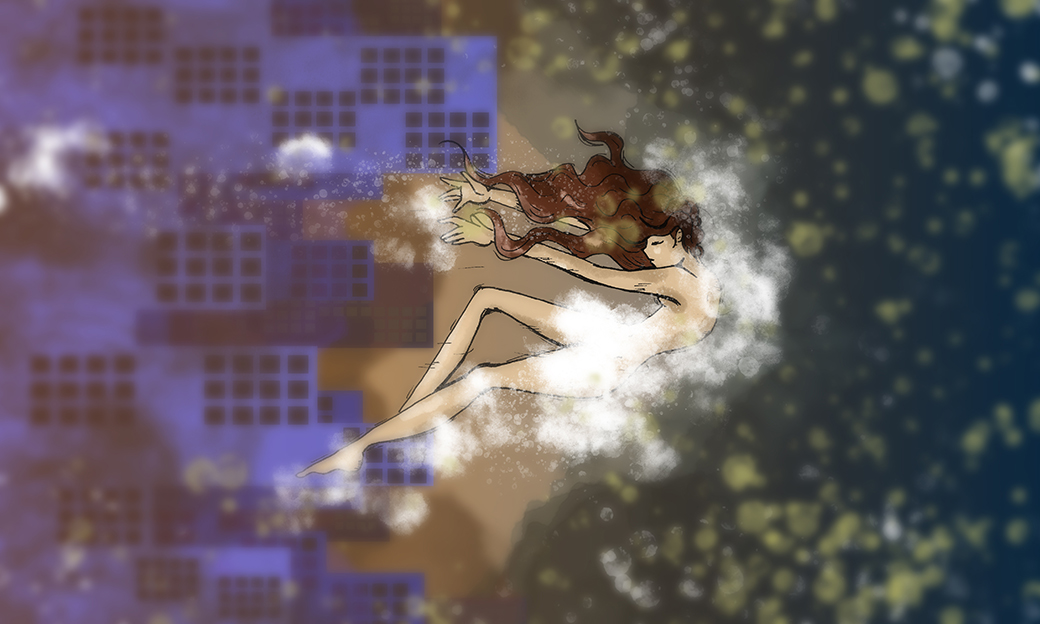
Now on the third day, I was led to the room where the pod awaited me. A lump formed in my throat from the sight of it. It was sleek, futuristic, like something pulled from a sci-fi movie. The outer shell was smooth, a combination of glass and gleaming metal, with soft ambient lights lining the interior. The water inside shimmered, undisturbed, its surface reflecting the cold sterility of the room. Self-doubt finally creeped into me. I was going to get into this weird contraption and trust that these doctors weren’t going to transform me into some squid monster that will wreak havoc on the city. I place my hands on my cheeks to wake myself up from my dreadful thoughts. Ethan’s face smiling back at me flashed in my mind and my heart sank. Letting out a sigh I am reminded on the reason why I’m doing this.
Dr. Mitchell stood beside me, her presence steady. “Once you’re inside, the pod will fill with a specially formulated liquid. It’s designed to support your body while inducing a deeper state of sleep. The headphones will play guided sounds to help facilitate the neural rewiring process.”
I ran a hand over my arm, a chill skittering down my spine. “And then... I just sleep?”
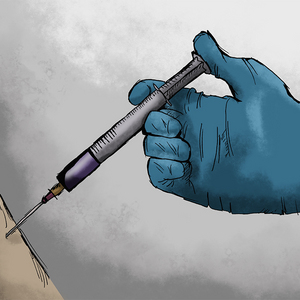
Dr. Lee nodded. “Exactly. Your body will follow a carefully monitored cycle, allowing your brain to process grief in a way it couldn’t while awake.” Dr. Lee then lifted syringe full of purple liquid. “This is required before we place you in the machine.” He proceeded to prick my arm.
I exhaled slowly, ignoring the needle sting, staring into the pod as if it held the answer to all the questions swirling in my mind. It was terrifying, the idea of surrendering completely, of placing my trust in something I barely understood. But what was the alternative? To remain trapped in this endless loop of grief, suffocating under the weight of memories I couldn’t change?
This was my chance, to break free, to find something resembling peace. My hands trembled slightly as I reached for the scrubs they had provided, stepping toward the changing area. In the mirror, I caught my own reflection, eyes shadowed with exhaustion, lips pressed into a thin line. I let out a shaky breath and whispered to myself.
“I hope I don’t forget you Ethan.”
And with that, I turned to face the pod, ready to step into the unknown.










Comments (2)
See all