
Her stomach heaved, and she choked out a mouthful of acid and bile, splattering the water below with a sound like a dropped marble. It wasn’t much, but it was enough. She coughed twice, spat, and pressed her cheek to the stall's cold marble wall. Her body burned, her forehead already beaded with sweat. Her ribs ached from holding in every panic attack for a year. She tried to slow her breathing—one, two, three, four—but each breath only sharpened the taste in her mouth.
She closed her eyes and counted sixty seconds, then another thirty. The nausea passed, leaving in its place a lightness, almost giddy, as though her body had dumped every chemical in its arsenal at once and was now gloriously empty.
She peeled herself off the wall, wiped her mouth on the hem of her dress, and fumbled for the latch. As she stepped out, the lights in the restroom seemed a fraction dimmer, or maybe it was just her head. She moved to the sinks, arms wrapped around her chest, and splashed a handful of ice-cold water onto her face. The faucet handles were little gold lions, their eyes made of tiny red rubies. It should have been elegant. Instead, it just felt creepy.
The water hit her skin and she jerked back, barely suppressing a yelp. The cold bit so hard it felt like she’d dunked her face in a tub of ice. The scent of bleach and lilies spiked in her nostrils.
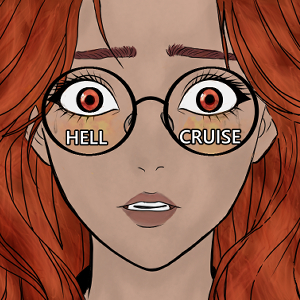
She leaned heavily on the counter. In the mirror, Her eyes looked like they’d been scrubbed raw, pupils enormous. Her hair had come loose and now fell loose around her face.
It was a bad night for a panic attack.
Somewhere behind her, a heavy thump struck the wall. Not close, but solid enough to rattle the doors in their brass hinges.
Bri jerked upright, breath catching in her throat. She held it, listening. The lights flickered. Once. Twice.
The thump repeated, this time from the other side of the wall. A low, ugly scrape followed—something being dragged. A cleaning cart? A maintenance crew? Maybe a kid playing with the trash cans? None of those explanations made sense at this hour, not with the restaurant in full swing and every parent and chaperone on deck.
She was alone in the bathroom, but suddenly she didn’t feel alone. She forced herself to look up.
The mirrors above the sinks were all cut from one continuous sheet of glass, reflecting the length of the room and multiplying the amber sconces into infinity. Bri squinted at her own image.
She blinked. Her reflection blinked half a beat late.
Her scalp prickled. She adjusted her glasses, and her reflection watched, a split-second out of sync. In the gilded frame to her left, her face hung frozen, eyes wide, mouth partway open. The world doubled, then trebled, the images overlaying with a lag like a cheap horror movie filter.
“Don’t be stupid,” Bri muttered, and touched the glass with her finger. The surface was cool, solid, real. But she couldn’t shake the feeling that if she pressed hard enough, the mirror would ripple.
Another thump, closer this time. Directly behind the sinks.
Bri’s heart rate doubled. The sound was wrong—no scrape this time, just a dense, wet impact. She stepped away from the counter, her shoes slipping slightly on the marble, and glanced toward the door. She should leave. She could walk out, go to sickbay, get some water, text Asune, say she’d had a migraine and needed to crash.
But she stood there, frozen. It wasn’t her at all.
In the glass, the image’s eyes flared, irises gone red as traffic lights. On her right cheek to the end of her arm, a line of crimson symbols erupted, like a string of Japanese kanji cut into her skin and weeping ink. The swirling glyphs pulsed, bleeding downward in slow motion. The glyphs started multiplying.
Bri screamed.
Not a loud scream, not the kind that would carry. It was a raw, strangled sound, half-exhaled and ruined by fear.
“You’re not real!” she screamed, punching the abomination right in the nose. Glass flew. The lights flared, showing her in the broken shards.
She slammed her fist into the glass.
The pain was instant and full-color. The mirror gave way with a crystalline pop, glass fracturing around her hand. The skin on her knuckles split open, and blood welled, bright as Aoi’s lipstick. The pain sent her reeling back against the sinks.
Her reflection staggered too, hands pressed to the broken glass, eyes pleading. The glyphs ran, rivers of red streaming down its face. Then the image twisted—became a smear of hair and glasses and blood, dissolving into the dark.
Bri stood panting, hand cradled against her chest, the cold air stinging her wound. Blood oozed in fat beads, pattering onto the gold-veined marble below. Her whole right side was shaking.
The thump came again. This time, it was directly at the bathroom door.
Without thinking, Bri bolted. She yanked the door open and sprinted into the corridor, her heels sliding on the polished floor. The world outside was wrong, too: the hall was empty, lights overhead flickering in wild staccato, as if someone had swapped the bulbs for strobes.
She pressed her hand to the wood-paneled wall. Her heartbeat was so loud she barely heard the bathroom door swing shut behind her, or the frantic stutter of her own shoes as she careened toward the first open door ahead.
Her vision was tunneling, black closing in at the edges, but she made it: the next set of doors, glass and brass and open wide. She crashed through, trailing blood and terror, and stumbled into a new world of light and sound and velvet darkness.
The room beyond was a fantasy: dark wooden latices, antique glass lanterns glimmering in the corners, and brass-accented alcoves that looked stolen from a sultan’s den. Hookahs dotted side tables and antique-looking games were placed on coffee tables. Plush Persian carpets blunted the sound of her entrance.
A bartender in a gold vest and a couple of adults dotted some of the seats sipping drinks with the casual boredom of people who’d seen too many of these trips before.
Gabriel Ishikawa sat at the center table couch, as immaculate as ever, pale hair ghostly in the lantern light. A black tux with a black tie, that looked like he was made to wear it and enough bespoke tailoring to prove he very much did. At his side, a woman in a forest green sequin gown pressed herself closer than was appropriate, her hand draped across his shoulder. She looked like every dream-girl from a cocktail commercial: tall, skinny, dyed blonde hair that darkened to black at the tips. Margo Ito, one of the guardians, Asune had said, Aoi’s sister.
Gabriel was looking away, annoyed. He looked like he was going to bite her head off. But the second Bri crashed into the room, his gaze snapped into focus, and he locked on her.
She couldn’t stop. Her legs just kept going, propelling her into the room, the world strobing around her as the blood from her hand dripped a Jackson Pollock trail across the entryway. Her vision swam.
A hush fell over the room.
Gabriel was moving. Margo was the first to break the silence. She lifted one perfect eyebrow, her lips stretching in a smile that had the warmth of a diamond-tipped blade. “Lost your way to the sick bay, dearie?” she asked, voice just loud enough to carry.
Bri opened her mouth to say something clever. All that came out was a gasp.
In seconds, Gabriel was by her side. Margo left in his wake. He grabbed a linen napkin off the nearest tray and pressed it to her hand with more care than she expected. His hands were steady, warm. She stared at them, mesmerized.
“Bri. Hold this here,” he said, voice low, and guided her hand against the wound. The napkin bloomed red.
He knew her name? How odd. “What happened?” Gabriel said, leaning down so their faces were level. “Stay with me. Are you hurt anywhere else?”
She tried to answer, but the air was thick and her thoughts were slipping sideways. She tasted salt and metal, felt the blood running down her wrist. “There is something wrong with the mirror,” she mumbled.
Gabriel’s gold eyes narrowed, scanning her face. He produced a handkerchief—actual silk, pale and monogrammed—and dabbed under her nose. Only then did she realize it was bleeding, too. He didn’t even flinch at the mess. His touch was clinical, practiced, like he’d done this a thousand times.
Margo made a disgusted noise. “She’s bleeding all over the baccarat set,” she complained to no one, then to everyone. “I hope you plan to tip the cleaners.”
Gabriel ignored her. “We need to get you to the infirmary,” he said. “You’re losing blood. Can you stand?”
She nodded, but as she tried to rise, “No infirmary. I’m fine.” The world tilted hard left. A cold sweat broke across her shoulders. Gabriel caught her by the waist, and with zero visible effort, lifted her off her feet. For a split second she hung suspended, her brain screaming that this was mortifying, that everyone was watching, that she should push away.
She didn’t. She let him hold her. His arm wrapped around her, bracing her upright, and the warmth of his body was so solid it nearly made her cry. “I got you. If no infirmary, then you are coming to my suite.”
He scooped her up, a full princess carry, and strode for the exit. It should have been embarrassing, but for the first time all night, Bri felt safe. His scent—clean, sharp, the ghost of some expensive cologne—cut through the nausea and fear. Every eye in the room tracked their passage, but she kept her face buried in the soft shoulder of his jacket, refusing to look up.
Margo’s voice floated after them: “You’re too soft, Gabriel. She’s just trying to get attention. Let’s call the doctor here.”
He didn’t look back. “Aren’t you supposed to be a chaperone?” His voice was all glass and chill.
The corridor was still empty, still flickering, Gabriel looked at the lights for a moment before carrying her down the hall. Each step was measured and careful. She could feel the power in his arms, but also the caution, as if he were carrying something fragile.
“Can you hear me?” he asked, softly.
Bri nodded into his chest. The pain in her hand had faded to a dull throb, but her head swam with the echo of her own reflection and the impossible red glyphs. The world was drifting out of focus, the boundaries between dream and ship and memory smearing together.
Gabriel’s heart beat slow and steady beneath her ear.
“Don’t worry,” he said. “You’re safe.”
Relief unspooled through her, and the world went soft and black at the edges.
Now there was only the rhythmic jolt of footsteps and the steady compression of a heartbeat against her ear.
After a minute or an hour, voices started to thread through the dark.
“What the hell, Anri?” said a familiar voice, taut and sharp. “I thought you were keeping an eye on her. She could have died, Anri.”
Another, closer, and spiked with guilt: “I was watching. She just slipped past. She’s like—she’s a ninja.”
Gabriel. And Anri. The names drifted in as if on a slow tide, pulling the memory of school with them.
A hand brushed the side of Bri’s face, gentle, then shifted to cradle the back of her skull.
A softer voice now, almost a whisper: “Is she going to be okay?”
Gabriel answered, crisp. “Not if you stand here gawking. Go get the Doctor. Tell him I want the trauma kit and the med cart in the suite. Use the staff elevators—don’t waste time on the main floors.”
A pause. “I should carry her,” Anri said.
“Not a chance. Go. She could be getting treated if you would just listen.”
The next footfalls were a rapid retreat, heavy footfalls of expensive loafers skidding on synthetic wood.
The heartbeat under her ear never changed.






Comments (0)
See all