

On the origin of money
Nov 28, 2020
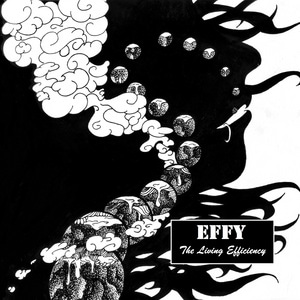
Adam Smith's "The Wealth Of Nation" presented the origin of money by society. Now I modestly developed a model on how money impacted individuals in societies, using a parallel with marbles:
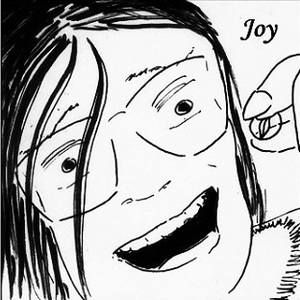
1 Joy -> first possession, might it be earned or given, but the value remain abstract.
2 Exercising pleasure -> first purchase, and the realization that money has a real tangible value that can buy things (such as a game of marbles...).
3 Codification -> first negotiation, and the realization that the value given to money is not fixed and can be discussed.
4 Belonging -> first invitation, and the realization that money can open the doors of certain group within the society to the individual.
4 Alienation (it comes together with belonging) -> first rejection, and the realization that lack of money can close doors of certain parts of the society to the individual.
5 Desire -> first jealousy, and the realization that the lack of money prevents the individual from getting what she/he wants.
6 Obsession -> the first time money starts losing it's rational and tangible value as a mean to an end for the individual, and become an irrational end in itself.
7 Need -> first time the individual is acting to earn money for the sake of money, without ulterior and clear motives. This cements money as an end and no longer a mean to an end.
8 Conflict -> first contradictions between the mean and the end, that can lead to the individual working against other individuals or even societies, in order to secure money.
9 Constraint -> first time the need for money is so strong that it actually prevents the individual from exercising its value.
10 Misplaced power -> when money is collected by the individual to the point it is no longer used to exercise its value, it becomes useless and worth nothing...
(More details on Effy's blog article...)
Recommendation for you
Recommendation
Do You Even Witch
BL 4.5m likes
Recommendation
Humor me
Slice of life 2.7m likes

Recommendation
Copper eyes
BL 900.3k likes
Recommendation
Heartstopper
LGBTQ+ 6.7m likes

Recommendation
Strange and Wild
BL 506.7k likes

Recommendation
Sarah's Scribbles
Comedy 4.5m likes

Feeling lucky
Random series you may like
6.4k views32 subscribers

Comments (0)
See all