
The cellar had no windows.
Just dirt walls and flickering lamplight.
The air tasted of iron and damp bread.
Julin stood at the center, the heat of the bakery fire still clinging to his skin.
Around him, ten faces watched.
Old hands. Young eyes.
Wrinkled mouths that had forgotten how to smile.
On the wooden table: a torn map of Paris, oil-stained and scorched at the edges.
He pointed.
“Here,” Julin said. “The grain warehouse.”
Someone coughed.
“There are guards,” murmured Mireille, the seamstress.
“They’ll crush us.”
“Then let them try,” Julin said. “It’s time they tasted dust.”
No one cheered. No one moved.
In revolution, hope was a dangerous thing.
Too much of it, and you died louder.
Too little, and you died alone.
That’s when the door creaked.
And the silence bent toward her.
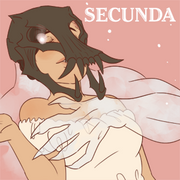
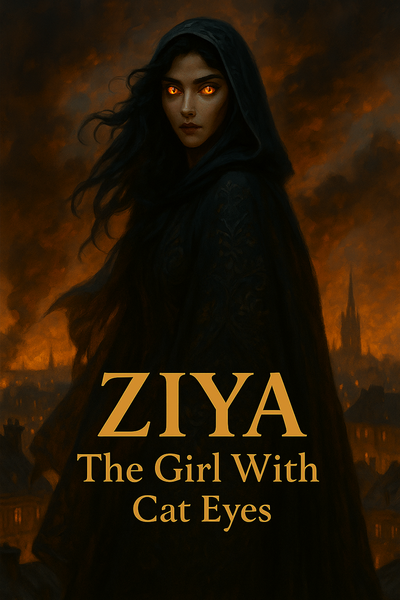
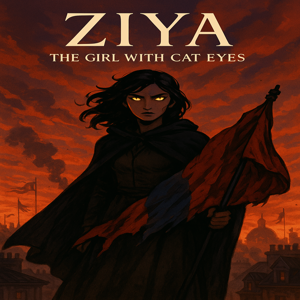
Ziya.
She didn’t wear her cloak. No hood, no shadows.
Only her eyes glowed — as if darkness itself obeyed them.
“Strike loud,” she said.
“But strike true.”
The room held its breath.
“Truth,” she whispered,
“is the only weapon they can’t burn.”





Comments (0)
See all