
A week passed quietly. Noen had begun to understand the rhythm of the village, even if he never truly joined it. He ate, slept, and watched. The villagers didn’t ask questions, and he didn’t offer answers. But something in their quiet kindness lingered in him.
Now, it was time to leave.
They packed what little they had. There were no vehicles in Thanaven—only feet and patience. The road to the Kharanax Kingdom would be long.
The morning was soft and golden. A few villagers gathered to send them off. Reeb handed Noen a small pouch of dried fruit. “For the road,” he said with a grin.
Noen bowed slightly. “Thank you.”
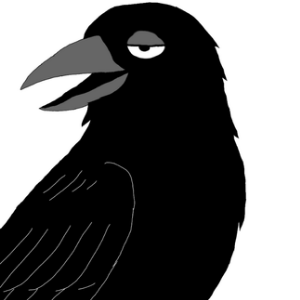
Raven perched silently on his shoulder, wings tucked, eyes scanning the horizon.
They stepped beyond the village gate.
The path ahead wound through hills and scattered trees. The air was cool, and the silence between them was comfortable. Raven flew ahead from time to time, scouting the terrain. Noen walked in silence, his thoughts heavier than his steps.
He didn’t know what awaited him in Kharanax. But for now, the road was enough.
“There are dangerous creatures ahead,” Raven said suddenly. “Not everywhere—just in certain places. We’ll know when we’re close.”
“Monsters?” Noen asked.
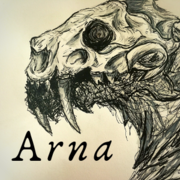
“People call them that. But they’re not monsters. They’re the original inhabitants of this planet—mindless, instinctive, and old. They were here long before humans arrived.”
“Then why are they hostile?”
“Because they’re hungry. And because they remember.”
Raven’s voice darkened. “When humans first came to this world millions of years ago, they treated the native life like pests. They burned forests, poisoned rivers, hunted anything that moved. These creatures were tortured, displaced, and forgotten. They don’t think like us, but they feel. And what they feel is hunger and rage.”
“So they want to kill us?”
“Yes. Not for territory. Not for defense. Just to feed. And to punish.”
Noen walked in silence, the weight of that truth pressing on his chest. A breeze passed between them, carrying the scent of dry leaves and distant water.
He glanced sideways. “What about bandits? Should we be careful?”
Raven blinked. “Bandits? No. There are none here.”
“None?”
“There’s no need. No one here starves. No one hoards. Food and shelter are free. Bandits only exist in worlds that charge money for survival. Yours, for example.”
Noen gave a dry chuckle. “Yeah. That sounds about right.”
Raven tilted his head. “You find it funny?”
“No. Just familiar.”
They walked a little further. The sun had climbed higher, then began to fall. Shadows stretched longer across the path.
“How long will we be walking?” Noen asked.
“If we don’t stop, about five days,” Raven replied.
“And if we do stop?”
“That depends on how long we rest. The road itself doesn’t change—but we do.”
“And the monsters?”
“Three days from now, if we keep pace. Luckily, this route only crosses one habitat.”
Noen nodded. The light dimmed. The sky turned amber, then bruised violet.
They stopped near a crooked tree and began to set up camp.







Comments (0)
See all